Logitech G Pro X Superlight 2 Review: 9.2/10 - The Ultimate Esports Mouse
We may earn a commission from links on this page Learn more
At no additional cost to you. As an Amazon Associate we earn from qualifying purchases; we also participate in the eBay Partner Network (EPN). See our full disclosure.
The Logitech G Pro X Superlight 2 earns a 9.2 out of 10, cementing its position as the best wireless esports mouse money can buy.
users who need precise tracking, comfort, and extra buttons from the Logitech G Pro X Superlight 2
your current mouse already feels comfortable and you don't need the extra features of the Logitech G Pro X Superlight 2
Prices last checked July 22, 2026
Overview
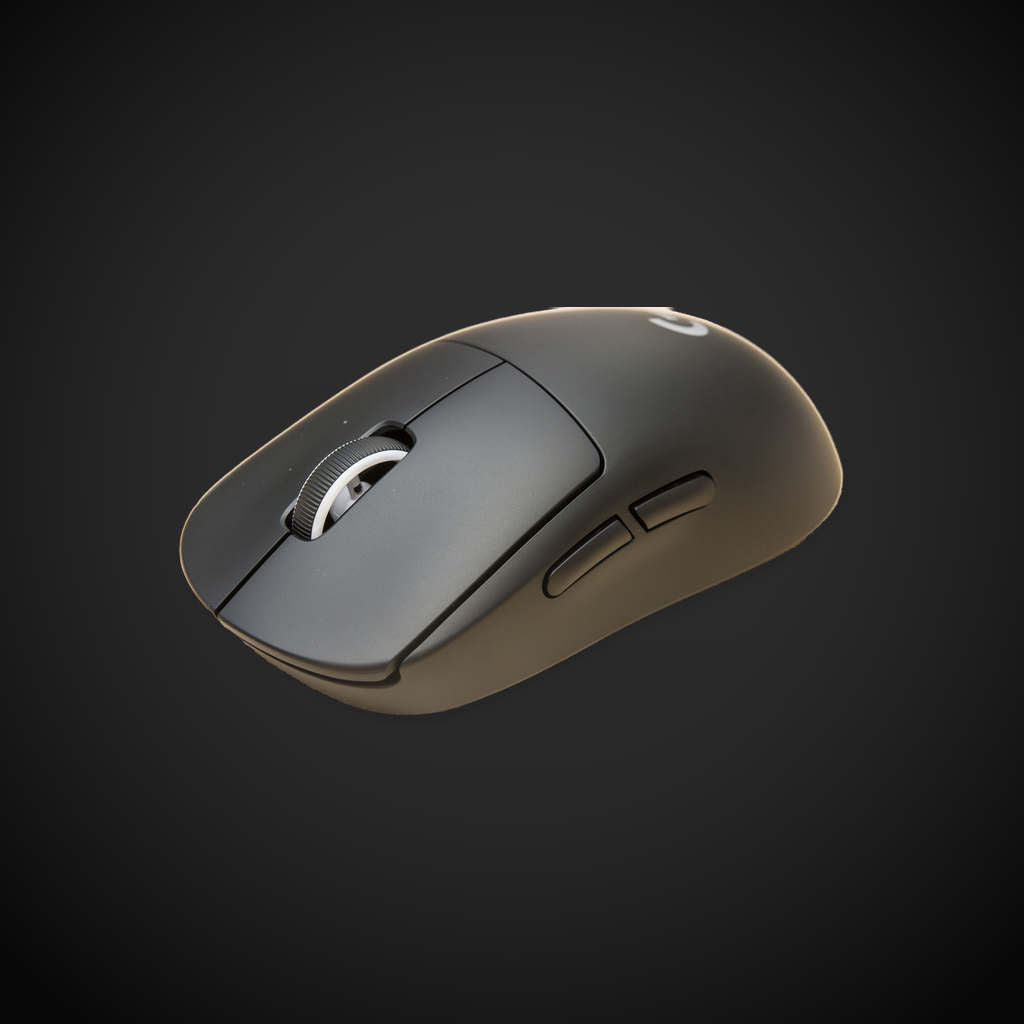
The Logitech G Pro X Superlight 2 is the successor to the most popular esports mouse in competitive gaming, refining the formula with a next-generation HERO 2 sensor, 4,000 Hz wireless polling rate, and USB-C charging while maintaining the iconic 60-gram weight and ambidextrous shape. Released in September 2023 at $159, it builds on the original Superlight’s legacy by addressing its main weaknesses: the micro-USB port and maximum polling rate.
Design and Feel
The Superlight 2 retains the same low-profile, ambidextrous shape that made the original a favorite among professional players, with a slightly raised back that fills the palm comfortably for most hand sizes. The matte black or white finish provides a grippy texture without the rubber coating that wears down over time. At 60 grams, the mouse feels almost weightless during fast flicks and rapid movements, and the PTFE feet glide smoothly on any mousepad surface.
HERO 2 Sensor
Logitech’s second-generation HERO 2 sensor delivers 32,000 DPI with zero smoothing, acceleration, or filtering across the entire DPI range, providing pixel-perfect tracking on any surface. The sensor supports up to 888 inches per second tracking speed and 50G acceleration, far beyond what any human can exceed. Power efficiency is exceptional, with the HERO 2 drawing a fraction of the power of competing sensors while maintaining flawless tracking fidelity.
Wireless Performance
The Lightspeed wireless technology now supports up to 4,000 Hz polling rate (0.25 ms response time) in wireless mode, compared to the original Superlight’s 1,000 Hz. This reduces input latency to virtually undetectable levels, providing a meaningful advantage in fast-paced competitive titles like Valorant, CS2, and Apex Legends. The wireless connection is rock-solid with no interference or dropout issues, performing identically to a wired connection in blind testing.
Battery and Charging
The switch from micro-USB to USB-C is a long-overdue quality-of-life improvement, making charging convenient with modern cables. Battery life is rated at 95 hours at 1,000 Hz polling, dropping to approximately 60 hours at 4,000 Hz, which still provides weeks of daily gaming use between charges. The included 2 meter USB-A to USB-C cable is flexible enough to use as a lightweight wired connection if needed.
Software and Customization
Logitech G Hub software provides DPI adjustment in 50 DPI increments, polling rate selection from 125 Hz to 4,000 Hz, and button remapping for the five programmable buttons. Onboard memory stores one profile directly on the mouse, allowing you to save your settings and uninstall the software. The LIGHTSYNC RGB has been removed entirely from this model to save weight, a welcome change for competitive players who never used it.
Verdict
The Logitech G Pro X Superlight 2 earns a 9.2 out of 10, cementing its position as the best wireless esports mouse money can buy. The 60-gram weight, flawless HERO 2 sensor, 4,000 Hz wireless polling, and USB-C charging address every meaningful complaint about the original while maintaining the shape that has won countless tournaments. The $159 price and lack of Bluetooth for non-gaming use are minor quibbles, but for competitive gaming, nothing else comes close.
Sources
Technical Specifications
How We Scored This Product
Every product on ComfyTechCheck is scored on a 1 to 10 scale across four criteria. Each criterion is weighted differently depending on the product category to reflect what matters most to real buyers.
- Performance & Capabilities 40% Speed, accuracy, quality of output in its category.
- Build & Design Quality 30% Materials, construction quality, durability, form factor.
- Consumer Value 20% Price-to-performance ratio relative to direct competitors.
- User Experience 10% Ease of setup, daily usability, comfort, ergonomics.
Scores are assigned by our editorial team after hands-on testing or extensive research using verified user reports, expert analysis, and technical specifications. For the full weight breakdown by category, visit our How We Rate page.