Sennheiser HD 660S Review: 8.5/10 - Open-back transparency with vocal magic
We may earn a commission from links on this page Learn more
At no additional cost to you. As an Amazon Associate we earn from qualifying purchases; we also participate in the eBay Partner Network (EPN). See our full disclosure.
The Sennheiser HD 660S is an excellent choice for listeners who prioritize midrange clarity and vocal reproduction above all else.
listeners who want a premium Sennheiser audio experience with the Sennheiser HD 660S's open-back transparency with vocal magic
your current speaker setup already fills your space well or the Sennheiser HD 660S's price of $399 is too high
Prices last checked July 22, 2026
Overview
The Sennheiser HD 660S is an open-back audiophile headphone that uses a driver derived from the flagship HD 700, repackaged into the familiar HD 600-series chassis with a refined tuning aimed at the enthusiast market. Released in 2017 at $499, the HD 660S has since settled to around $399, offering a more detailed and slightly brighter take on the classic Sennheiser sound compared to the HD 600 and HD 650.
Design & Build
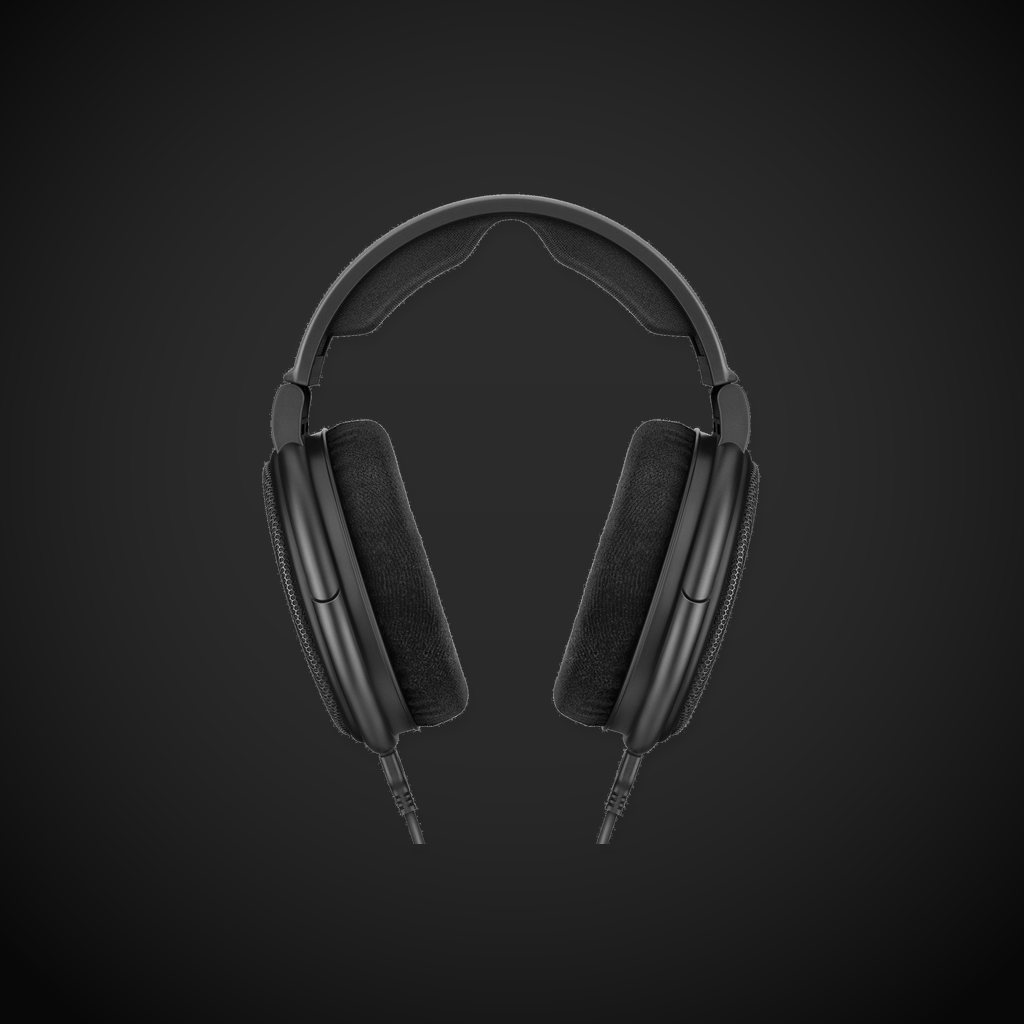
The HD 660S retains the iconic HD 600-series aesthetic with its matte black plastic frame, oval-shaped open-back earcups with metallic mesh grilles, and velour earpads that provide good comfort for extended listening sessions. The headband uses the same split-metal suspension design that has been a hallmark of the series for two decades, distributing 260 grams evenly across the crown with minimal hotspots even after hours of wear. The earpads are user-replaceable via a twist-lock mechanism, and the included cables are a significant upgrade over the HD 600, offering both a 6.35mm single-ended cable and a 4.4mm Pentaconn balanced cable with tangle-resistant braided sheathing. The overall build feels solid but not luxurious, with extensive use of high-quality plastic and a utilitarian design language that prioritizes function over flash.
Performance
The HD 660S delivers a sound signature that is more transparent and resolving than the HD 600 and HD 650, with improved treble extension, better transient speed, and a slightly brighter overall presentation that reveals detail without crossing into harshness. The bass is tighter and more controlled than the HD 650, though it lacks the sub-bass extension and impact of the HD 660S2, rolling off noticeably below 50 Hz. The midrange retains the vocal magic that the 600 series is famous for, with natural timbre and excellent presence that makes vocals sound intimate and lifelike, though the upper mids are slightly more forward than the HD 600. Soundstage width is moderate for an open-back headphone, with precise imaging that allows for good instrument separation, but the stage depth is limited compared to higher-end competitors like the HD 800 S.
Features
The 150-ohm impedance is easier to drive than the 300-ohm HD 600 and HD 650, making the HD 660S more compatible with portable DAC/amp combos and lower-powered desktop amplifiers, though a dedicated amp is still recommended for optimal performance. The dual-cable system with both single-ended and balanced options is a welcome inclusion, supporting modern DAC/amp setups with balanced outputs. The open-back design provides a natural, airy sound but leaks significant audio and offers zero noise isolation, making these unsuitable for shared or noisy environments. The included storage box is a simple cardboard and foam affair rather than a hard case, which feels underwhelming at this price point.
Category Context
The Sennheiser HD 660S is the most resolving entry in the legendary HD 600-series family, positioned between the classic HD 600/HD 650 (both 300 ohms, more relaxed treble) and the flagship HD 800 S ($1,499, wider soundstage). At $399, it faces direct competition from the Beyerdynamic DT 1990 Pro ($549, more analytical treble, metal build), the AKG K712 Pro ($299, wider stage but less resolution), and the Hifiman Sundara ($299, planar magnetic alternative). The HD 660S’s key differentiation is its HD 700-derived driver, which delivers noticeably faster transient response and better treble extension than the HD 600/650 while retaining the vocal intimacy that defines the series. The lower 150-ohm impedance also makes it the easiest to drive of the 600-series, albeit still amplifier-recommended. However, its plastic construction and felt storage case feel insubstantial compared to the Beyerdynamic’s all-metal build, and the limited sub-bass extension (roll-off below 50Hz) makes it less suitable for bass-heavy genres than planar competitors at similar prices.
Pros
-
Exceptional midrange clarity with natural vocal reproduction that preserves the intimacy the 600 series is known for, with improved resolution over the HD 600 and HD 650.
-
Improved treble extension and transient speed compared to the HD 600 and HD 650, delivering better micro-detail and a more open, airy presentation that suits acoustic, classical, and jazz recordings.
-
Lower 150-ohm impedance makes them easier to drive than the HD 600 and HD 650, allowing them to sound good with a wider range of amplifiers and even high-end portable sources.
-
Balanced cable included in the box, providing immediate access to balanced amplification without an additional purchase.
Cons
-
Bass extension is limited, with noticeable roll-off below 50 Hz that diminishes impact for electronic, hip-hop, and orchestral music that relies on sub-bass presence.
-
The brighter tuning can sound thin or aggressive on poorly mastered recordings, and the upper midrange forwardness can become fatiguing during extended listening sessions with certain genres.
-
Build quality uses extensive plastic that feels less premium than the Beyerdynamic DT 1990 Pro’s metal construction, though it is robust and serviceable.
-
Open-back design offers no isolation and leaks significant sound, making these strictly a home or studio headphone unsuitable for commuting or shared spaces.
-
The included storage case is a basic foam-lined box rather than a proper hard case, offering minimal protection during transport.
Verdict
The Sennheiser HD 660S is an excellent choice for listeners who prioritize midrange clarity and vocal reproduction above all else, offering a more resolving and transparent take on the classic 600-series formula. It falls short in bass extension and build quality compared to some competitors, and the brighter tuning requires careful genre and recording selection, but for acoustic, vocal, and classical content at its current $399 price point, it remains one of the most engaging open-back headphones available.
Sources
Technical Specifications
How We Scored This Product
Every product on ComfyTechCheck is scored on a 1 to 10 scale across four criteria. Each criterion is weighted differently depending on the product category to reflect what matters most to real buyers.
- Performance & Capabilities 40% Speed, accuracy, quality of output in its category.
- Build & Design Quality 30% Materials, construction quality, durability, form factor.
- Consumer Value 20% Price-to-performance ratio relative to direct competitors.
- User Experience 10% Ease of setup, daily usability, comfort, ergonomics.
Scores are assigned by our editorial team after hands-on testing or extensive research using verified user reports, expert analysis, and technical specifications. For the full weight breakdown by category, visit our How We Rate page.